Brand Positioning
Part of DTC product storytelling
Explaining materials and design decisions clearly
A materials claim is most useful when it tells a shopper what a product contains and why that choice matters in use.
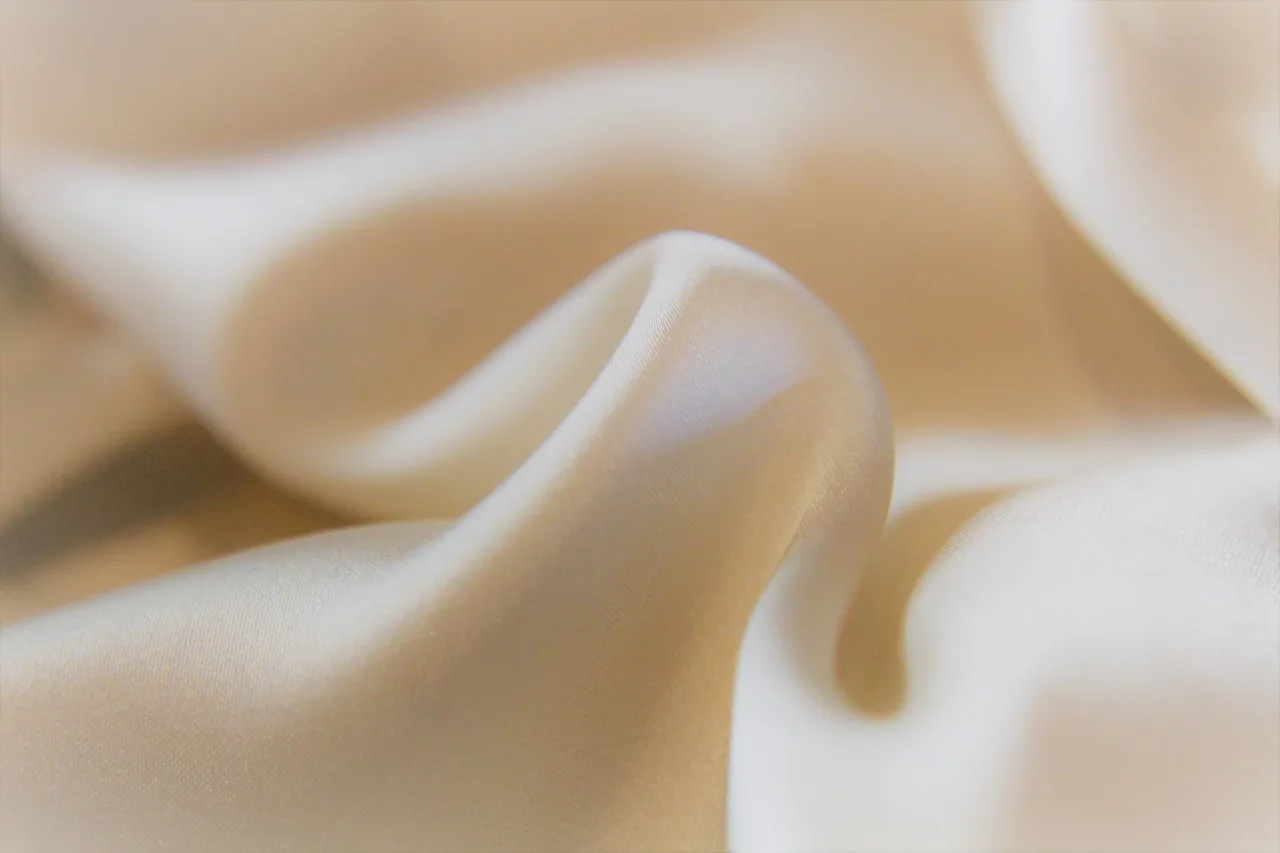
A materials claim works best when it tells a shopper what a product contains and why that matters in use. “Premium fabric” is hard to evaluate. A named fibre, composition, construction and care instruction give the reader something concrete to compare. Design storytelling can explain the reasoning but should not imply benefits the maker has not established.
State the material with its scope
Identify the component, not just the product. A bag may use one material in its outer shell, another in the lining and a different one in its hardware. If only the outer fabric contains recycled material, say so.
If a finish or coating changes care or performance, name it where relevant. Avoid making a whole-product environmental claim from one component. If a claim such as “made with recycled content” depends on a proportion, state that proportion.
The ACCC educates businesses about their responsibilities under consumer law, accepts reports about potentially misleading claims and can investigate environmental and sustainability claims.
Check supplier records before publishing a percentage or certification; do not infer one from a label’s appearance.
ACCC Guidance on Sustainability Claims
- Regulator
- Australian Competition and Consumer Commission (ACCC)
- Key Responsibility
- Enforce consumer law around misleading environmental claims
- Action Available
- Accept reports of potentially misleading claims
- Support for Businesses
- Provides education on compliance with consumer law
Explain the choice through use
Connect a design decision to a realistic use case. Why is a handle shaped that way? What can a buyer fit in a compartment of a stated size? What care does the material require?
Avoid promising that a choice makes the item “last forever” or perform in every condition. If a performance claim depends on a test, identify the test and the conditions before writing the claim.
Use specifications to support prose. A plain materials list and exact measurements may do more work than a long paragraph of adjectives. Keep variant differences visible: one colour or size may use a different composition or have another dimension.
Review the complete impression
Read the headline, short description, attributes and care section together. They should describe the same item.
If a headline says “all-weather” while the care section excludes rain, the page needs a narrower headline. If a supplier changes the material, update every affected field, including old copy carried into a new variant.
Reviewing Material and Design Claims
- Does the headline match the care instructions?Yes / No
- Is recycled content percentage verified by supplier records?Yes / No
- Are component-specific materials clearly named (e.g., lining, hardware)?Yes / No
- Are performance claims backed by test conditions?Yes / No